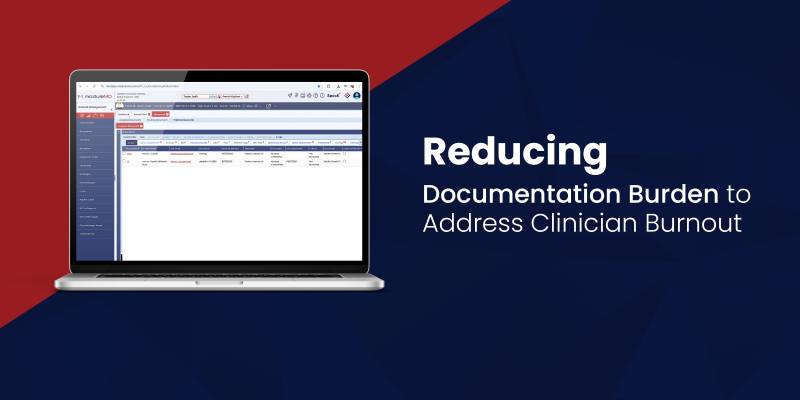
Most clinicians didn’t enter healthcare to spend their evenings finishing charts.
Yet in 2026, that’s still the reality for far too many providers. Not because the care itself is more complex, but because documentation keeps piling up. Click after click, field after field. The same information entered multiple times, in slightly different places, on the same day.
Over time, this doesn’t just slow clinicians down. It wears them down.
Clinicians expect hard days. They expect tough decisions. What they don’t expect is to repeat themselves endlessly inside an EHR.
Patients often share their story before the visit even starts, through intake forms, questionnaires, and pre-visit workflows. Symptoms, medications, history, concerns. It’s all there.
But when the visit begins, much of that information must be retyped, reformatted, or manually summarized into clinical notes.
That repetition adds no clinical value. It only adds time.
And when that time spills into evenings and weekends, burnout follows.
The problem isn’t that healthcare lacks data. It’s that the systems don’t know how to use it well.
In many EHRs:
So instead of reviewing and confirming patient-provided details, clinicians are stuck recreating them.
This isn’t inefficient because clinicians are slow.
It’s inefficient because the workflow is broken.
Some healthcare organizations are stepping back and asking a basic question:
That question has led to intake-driven documentation workflows,where patient-entered data becomes the starting point, not an afterthought.
When intake information flows directly into the clinical note:
Clinicians stay in control. They review, adjust, and add clinical judgment,but they’re no longer starting from zero.
The real breakthrough happens when intake data doesn’t just display,it actually belongs in the note.
When intake forms are mapped to structured sections of the EHR:
Clinicians don’t lose oversight. They gain time.
This approach is explained in more detail in our related article on Form-to-Note Mapping in EHR Documentation, which walks through how patient-entered data can flow directly into usable clinical notes.
When documentation stops fighting clinicians, things start to feel different.
Less charting after hours.
A clearer head at the end of the day.
Less frustration with systems that feel disconnected from real care.
That relief matters not just for morale, but for retention, focus, and patient experience.
Burnout doesn’t disappear overnight, but removing unnecessary documentation is one of the fastest ways to ease it.
Clinician burnout isn’t just a personal issue. It’s an operational one.
When documentation takes over:
Reducing documentation burden through smarter reuse of intake data isn’t about shortcuts. It’s about respecting clinicians’ time and attention.
And that respect shows up in better care.
In 2026, the path forward is clear. Healthcare doesn’t need more documentation; it needs better documentation workflows.
When systems stop asking clinicians to repeat what’s already known, everyone benefits. Providers spend more time with patients.
Notes get done on time. And work feels more manageable again.
That’s not automation for the sake of technology.
That’s technology finally working the way care does.

You may like these too…